

The most recent tariffs imposed by the Trump administration on Canadian goods, amounting to billions of dollars, came into effect just after midnight on Saturday. This followed the inability of the two nations to finalize a last-minute trade agreement that met both parties’ needs.
Prime Minister Mark Carney announced that Canada would respond “dollar for dollar” after the White House executed its threat to implement severe 50 percent tariffs on a variety of products. Trade representatives from both countries indicated they were close to reaching an agreement recently, but Carney mentioned that Ottawa ultimately could not agree to the proposed terms.
“I have chosen to halt trade negotiations with the U.S. and have instructed Canada’s negotiators to return to Ottawa,” the prime minister stated.
“They have put in considerable effort, in good faith, to protect the interests of Canadians throughout these negotiations right up until the last moment. However, the last-minute changes to the U.S. proposed terms were unreasonable, economically unfeasible, and cast doubt on the reliability of any potential agreement.”
U.S. President Donald Trump did not make an immediate comment.
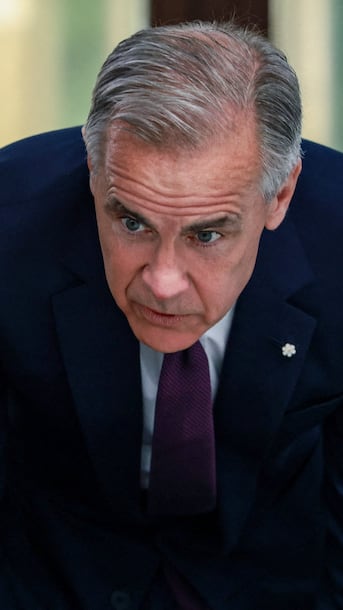
Prime Minister Mark Carney stated that Canada intends to correspond with U.S. tariffs ‘dollar for dollar,’ following the implementation of the 50 percent tariffs on August 21 at 12:01 ET. Negotiations had intensified over the previous three days after Trump extended the tariff deadline earlier this week.
In a separate statement, U.S. Trade Representative Jamieson Greer mentioned that discussions fell apart because Canada did not agree to the terms proposed by the administration.
“Tonight, Canada chose not to finalize the trade agreement based on the terms settled upon earlier this week, despite the U.S. offering Canada the most favorable treatment of any major exporter to our market. New demands and retractions by Canada have disrupted the careful balance that was reached in recent days,” Greer said.
“Furthermore, Canada continues to maintain its extended retaliation against the United States, which includes outright bans on certain American goods and services.”
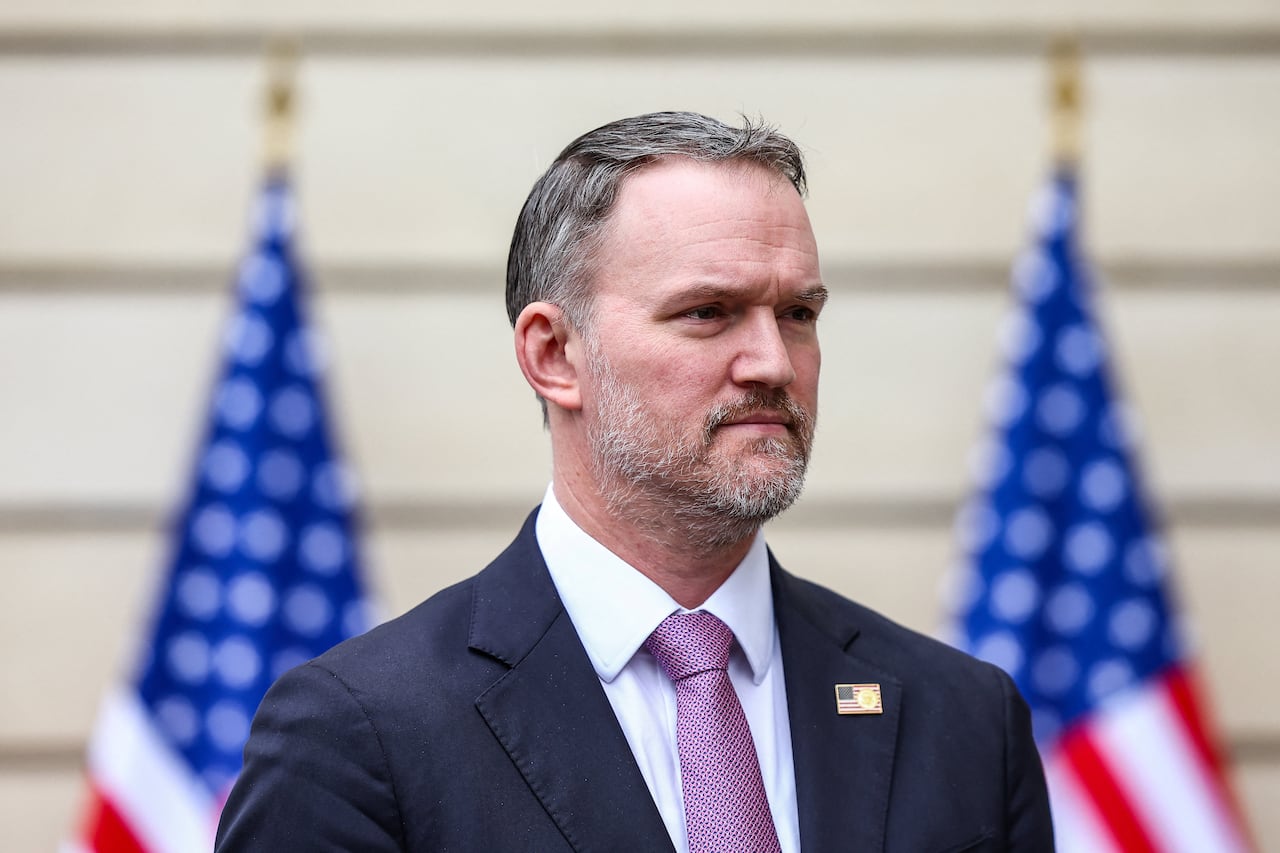
U.S. Trade Representative Jamieson Greer in March. (Abdul Saboor/Reuters)
The new American tariffs and the commitment of Canadian counter-tariffs represent a significant escalation in the ongoing conflict between Canada and the U.S., which were once regarded as closely aligned in trade matters.
Canadian Trade Minister Dominic LeBlanc spent the week meeting with Greer, his American counterpart, in Washington, D.C., in an effort to finalize a deal ahead of the administration’s Friday night cutoff.
The specifics of the provisional agreement were not disclosed, but sources indicate that the deal would have reduced sector-specific tariffs that have adversely affected Canadian aluminum, steel, and automobile industries for several months. In exchange, Carney urged Canadian premiers to contemplate lifting provincial restrictions on American alcohol.
As of Thursday night, sources familiar with the discussions reported that U.S. Commerce Secretary Howard Lutnick, one of Trump’s most influential cabinet members, had expressed dissatisfaction with the proposed agreement.
Following Carney’s vow on Friday to match the new tariffs dollar for dollar, CBC News inquired with a senior Trump administration official about potential solutions to resolve the apparent reciprocal trade dispute.
- Cross Country Checkup wants your reaction to the trade dispute with the U.S. Leave your comment here and our team may get in touch or read your comment on air
“In some respects, the decision is up to the Canadians, right? If they wish to escalate, then that is their decision,” the official remarked on Friday, adding that options could be presented to Trump to “equalize the playing field” if Canada retaliated.

On Friday, Canadian and U.S. negotiators raced against a midnight deadline to finalize a high-stakes trade agreement that could lower threatened U.S. tariffs on Canadian steel and aluminum, and return American alcohol to some provincial store shelves. Advisory Council on Canada-U.S. Economic Relations member Ralph Goodale speaks to Power & Politics.
‘This will be a body blow’
While the discussions surrounding tariffs this week have involved top political leaders, businesses on both sides of the border were also anxious to see if the latest threats to their operations would materialize.
“This will severely impact North American competitiveness in this counterproductive trade saga,” the Canadian Chamber of Commerce remarked regarding the new American tariffs. “A staggering, non-absorbable tariff is neither sustainable nor feasible for businesses.”
Under the new policy from the Trump administration, tariffs of 50 percent will be levied on hundreds of products exceeding $28 billion in value — including plywood, cement, wine, and hockey sticks.
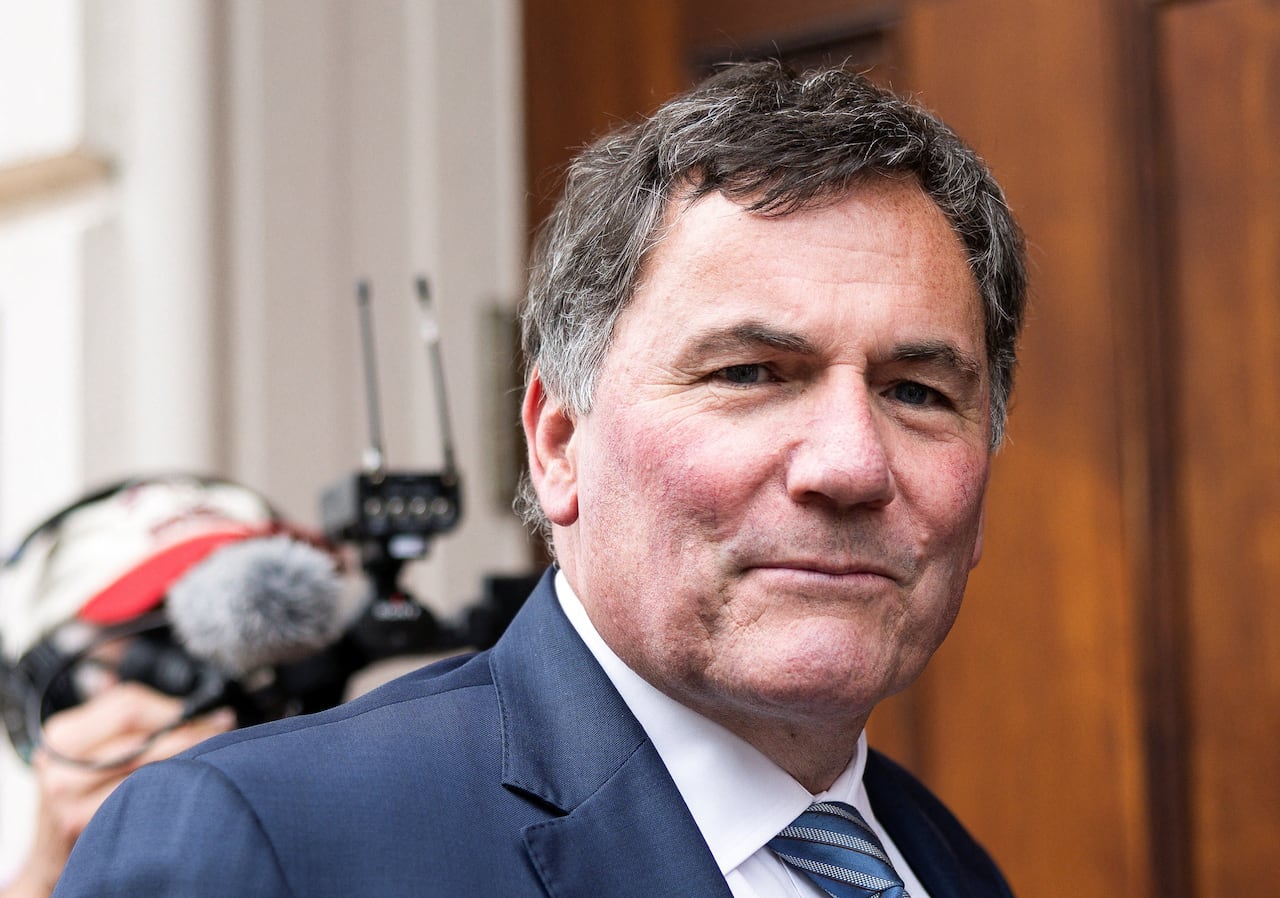
Canadian Trade Minister Dominic LeBlanc at Greer’s office in Washington on Thursday. (Tierney L. Cross/Reuters)
The Trump administration has stated that the tariff action was a reaction to Canada’s retaliation against U.S. trade policies and its bias against American dairy, alcohol, and automotive sectors.
Last month, Carney indicated that most of those actions, such as provincial limits on American alcohol, were “merely” Canada’s response to the argument initiated by the White House when it announced other tariffs the previous year.
-
These 3 charts show where Trump’s new tariffs could have the biggest impact
-
U.S. alcohol bans must end for trade deal to happen, Canada’s ambassador told council: sources
The new duties are enforced under Section 338 of the U.S. Tariff Act, or the Smoot-Hawley Act, established during the Great Depression nearly a century ago. This law empowers the president to implement tariffs up to 50 percent on nations considered to be discriminating against the U.S. economy.
Historically, the tariff rates have typically been around 10 to 20 percent. Goods compliant with the Canada-United States-Mexico Agreement (CUSMA) were previously exempt, but many of those products no longer enjoy this exemption as of Saturday.
Hardest hit sectors, provinces
The electronics sector in Canada is poised to incur the most significant impact. Canada exported over $4 billion worth of electronic equipment that will be subjected to Trump’s new tariffs. In fact, certain electrical boards and controllers are included on the list and represent the highest value export to the U.S. among all threatened categories.
The tariffs will also adversely affect Canada’s plastics industry, which includes items such as bottles, floor coverings, and various household products, with an estimated value of about $3 billion.
-
‘Owners are afraid’: New tariffs could cut sales in half for some Canadian businesses
-
IN PHOTOS | New wave of U.S. tariffs threatens these Canadian companies
British Columbia will experience a disproportionately high impact from these import tariffs compared to other provinces. Items subject to the new duties, particularly wood and paper, account for more than 13 percent of the province’s total exports to the U.S., which is the highest percentage of any province.
Quebec is also likely to face significant losses, as approximately 10 percent of its exports are now at risk. The new tariffs compound existing 50 percent duties on steel and aluminum, which are crucial industries for the province.