

Researchers have uncovered a surprising market for preserved human remains sold online, raising concerns about potential health risks associated with this niche hobby. A study led by Kirsty Squires and her team from the University of Staffordshire in England examined 128 web posts showcasing human and animal remains for sale from 2015 to 2025.
The study revealed that mummified body parts, including heads, hands, and feet, were commonly advertised. These remains can harbor dormant microorganisms such as bacteria, fungi, and yeast, posing health risks if mishandled. Proper storage conditions are crucial to prevent deterioration of these remains and the release of harmful spores or bacteria into the air.
Safe Handling of Mummies
According to Squires, many online images displayed signs of deterioration due to poor storage conditions. Unlike museum settings with controlled environments, private storage locations like homes or garages lack the necessary conditions for preserving mummified remains. Improper handling of these remains can expose individuals to airborne microorganisms, potentially leading to respiratory and skin irritations.
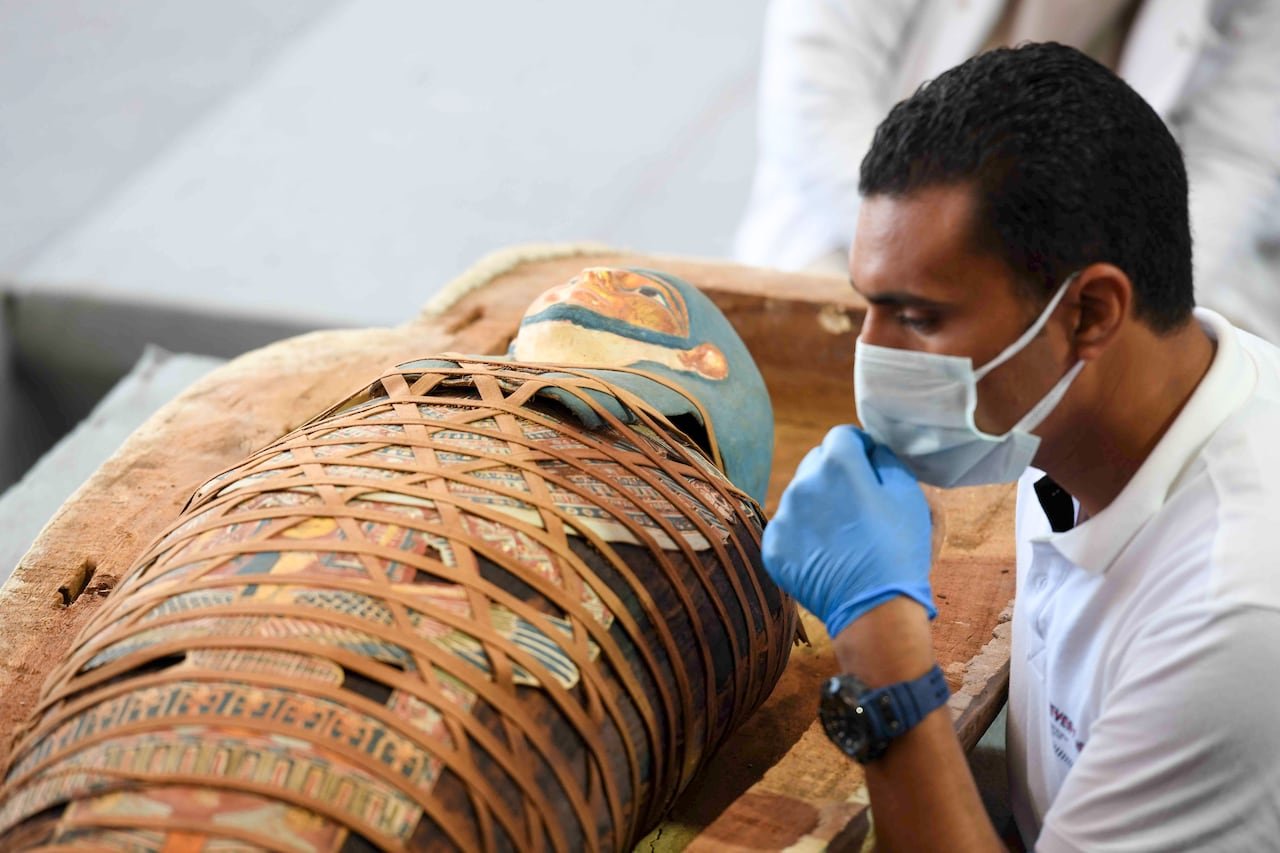
When handling human remains, Squires emphasizes the importance of using protective equipment to minimize health risks. Some mummified body parts may also contain toxic chemicals like arsenic and mercury from historical embalming practices.
The Risks of Dealing with Mummified Remains
While the study did not report specific cases of illness from handling human remains sold online, historical incidents like the deaths of conservation scientists in 1973 highlight the potential dangers of exposure to mold spores. Concerns over ethical implications and the commodification of human remains have also been raised by experts.
Canada has not been immune to this trend, with 11 individuals in the country identified as sellers of human remains in the study. Despite regulations in place for shipping cremated human remains, loopholes exist that allow the trade of mummified remains under false pretenses.
Efforts to regulate the online sale of human remains are gaining traction, with calls for stricter laws to prevent the exploitation and trade of cultural artifacts and ancestral remains.
Graham advocates for prohibiting the trade of human remains, emphasizing the need to respect the dignity of the deceased and prevent the commercialization of human bodies.