

Following the recent passing of Hayden Panettiere, a number of former child actors are raising concerns about the need for improved safeguards in Hollywood for young performers.
Over the last week, ex-child actors like Anna Paquin and Melissa Gilbert have been recounting their personal struggles with fame and mental well-being, highlighting their vulnerability while working at a young age and proposing changes within the industry.
Panettiere, who passed away at the age of 36 earlier this month, brought back discussions surrounding her mental health battles and substance abuse issues, which she candidly shared in her memoir “This Is Me: A Reckoning” published in May. Her challenges are not unique among former child actors who have faced similar issues.
-
Hayden Panettiere, troubled star of Heroes and Nashville, remembered as ‘brave and brilliant soul’
-
Hayden Panettiere’s on-and-off boyfriend was with the actor when she died: police report
In June, Daveigh Chase, known for voicing Lilo in Disney’s “Lilo & Stitch,” passed away at 35 due to complications from AIDS and substance abuse, as confirmed by the Los Angeles County Medical Examiner. Shortly after her demise, reports revealed she had been homeless.
In February of the previous year, Michelle Trachtenberg, famous for her roles in “Harriet the Spy” and “Buffy the Vampire Slayer,” succumbed to complications from diabetes at the age of 39, having undergone a liver transplant before her demise.
Paquin, a Canadian actress who began her career at 11 and won an Academy Award for best supporting actress in “The Piano,” took to Instagram last weekend, highlighting the premature sexualization of children on sets and the tragic outcomes faced by many female child stars.
She pointed out that although existing systems aim to protect young actors, her own experience suggested they were not as effective as needed.
Identifying the Issue
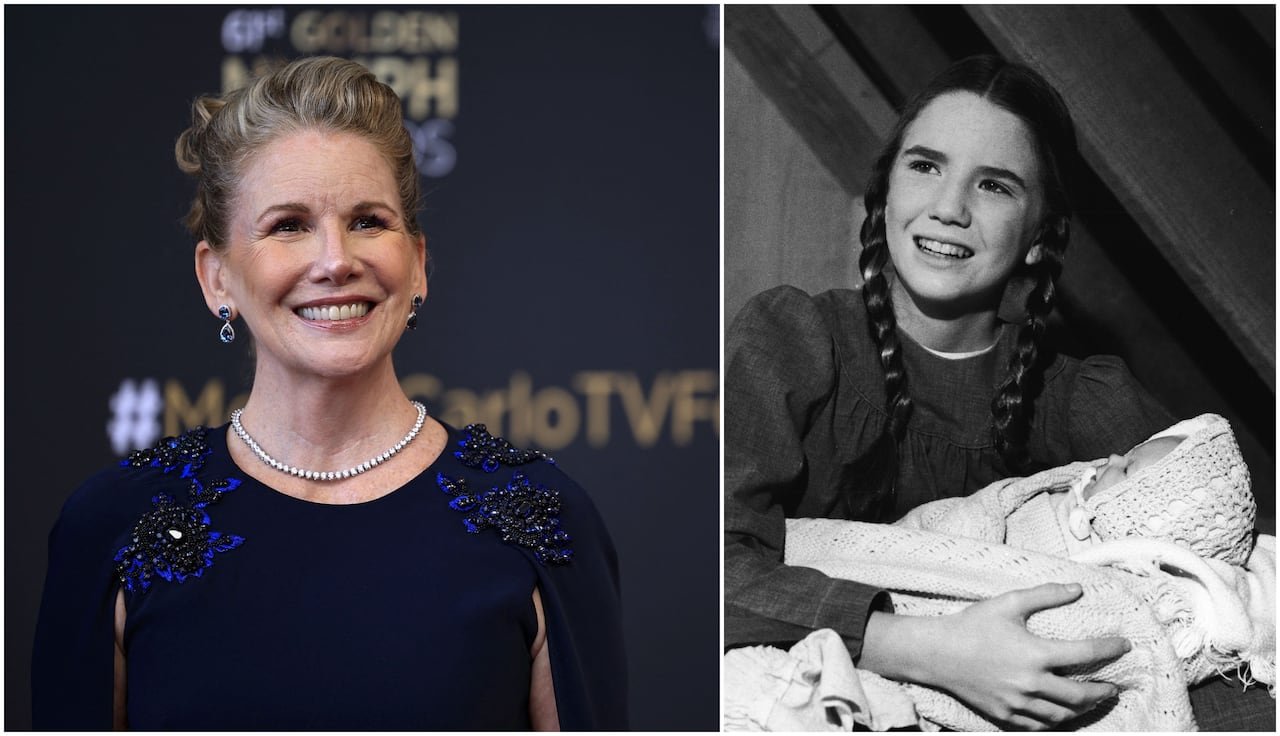
Gilbert, known for her role in “Little House on the Prairie” since 1974, expressed her concerns about the recent deaths of former child actors in a post on her Substack, implying a serious underlying problem.
She emphasized the immense pressure child actors face to perform flawlessly, suggesting this expectation makes them susceptible to exploitation.
She advocated for allowing child actors to have a voice, say “no,” and not endure physical or emotional distress, rejection, or constant surveillance, as she