

As retailers across the nation unveil vibrant packages of chocolate treats for Halloween, a recent peer-reviewed study highlights a lesser-known challenge confronting cocoa production.
“Traditionally, the emphasis has been placed on heat and drought as the primary climate threats, and they are significant,” explained Anna Lea Albright, who conducted this study as an environmental fellow at Harvard University.
“However, our research reveals that the most severe weather-related risk to cocoa actually stems from excessive rainfall.”
Cocoa prices have surged in recent years, impacting consumers directly. Currently, the price for a tonne of cocoa is approximately $6,000 US, up from a prolonged period of trading between $2,000 and $3,000 US per tonne since 2014. In 2024, prices escalated beyond $12,000 US, influenced by various factors, including significant flooding in West Africa, where more than two million farmers contribute to making it the largest cocoa-producing area in the world.
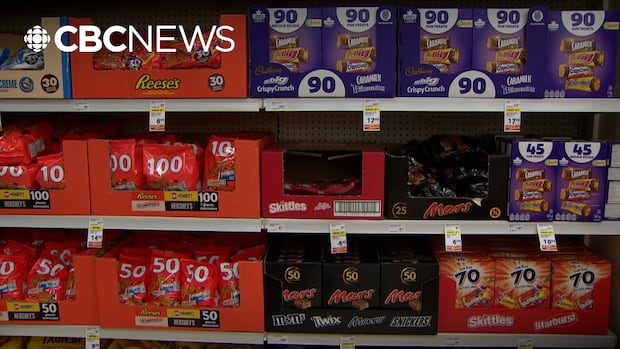
Rising chocolate prices are turning out to be the real scare this Halloween. One expert points to a shortage as a cause, making shopping more daunting than encountering ghosts and ghouls this year.
Leslie Agyare, the founder of Three Mountains Cocoa, which collaborates with numerous farmers in a hilly region of Ghana, mentions that rainfall has posed a significant challenge this year.
“Just picture managing your entire harvest, and then the rain comes down so heavily that you can’t even gather it because of the deluge,” Agyare shared with CBC News from London, England.
Although climate change, exacerbated by human fossil fuel use, is anticipated to worsen extreme rainfall occurrences, the authors suggest there are strategies to lessen the effects on this beloved crop enjoyed by billions.
The perils of precipitation
The study, published in the Proceedings of the National Academy of Sciences, concentrated on Ghana, the second-largest cocoa producer globally. By utilizing newly available district-level production data, the researchers compared it to rainfall and temperature statistics.
“When we made that comparison, we observed that extreme rainfall during the flowering stage was a significant factor limiting yields, far more than temperature during those months,” Albright remarked to CBC News from Paris. While cocoa trees require moisture in the wet season, excessive rainfall can harm the delicate flowers and immature pods.
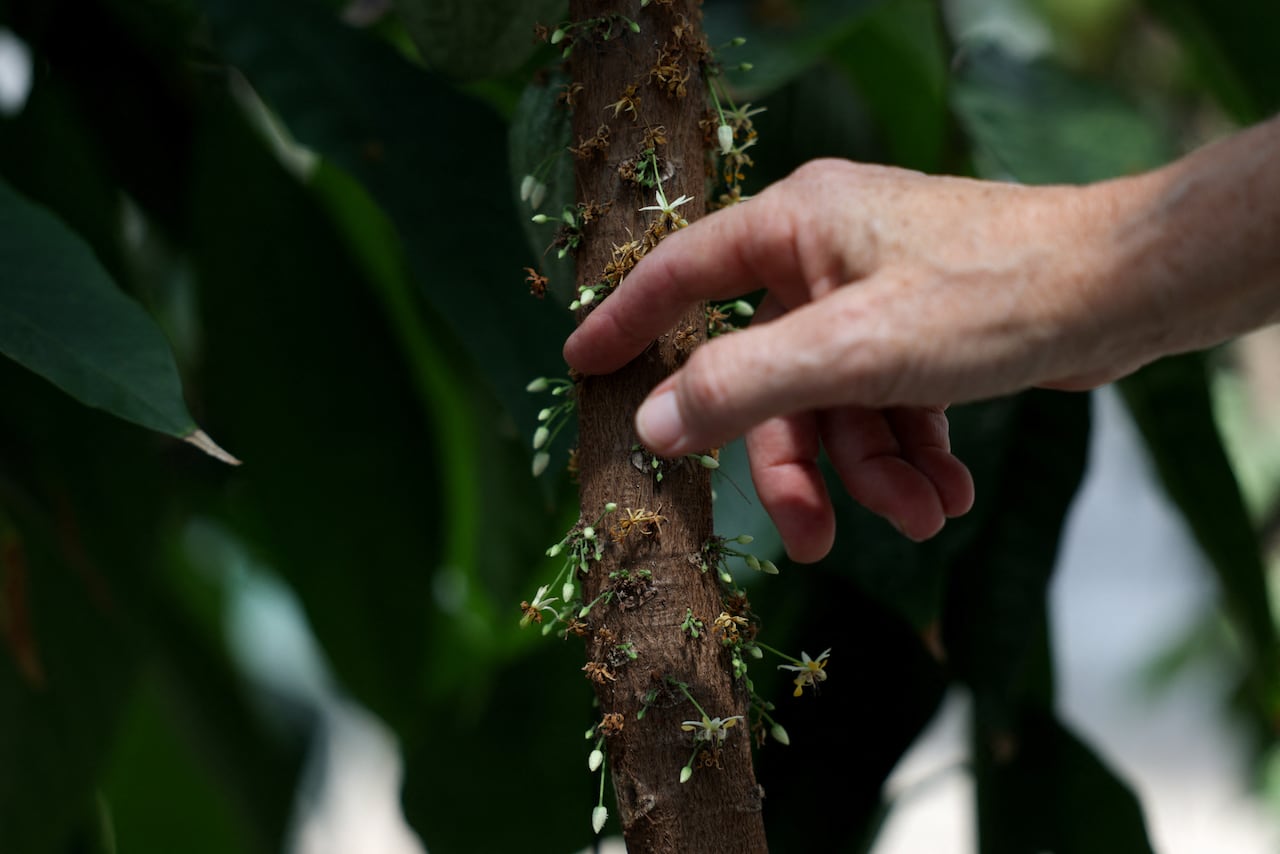
The small flowers on cocoa trees are extremely delicate, and heavy rainfall can cause damage. (Ricardo Moraes/Reuters)
According to Albright, wet conditions can also result in increased fungal infections — such as black pod disease — that are transmitted by splashing rain. The link between intense rainfall and decreased yields was also confirmed in other cocoa-producing nations, including Ecuador and Indonesia.
The research highlighted a clear climate pattern, noting that warmer air retains more moisture.
“In satellite records and rain gauges, we’ve observed over the past few decades that the most intense rainfall events during the wet season are indeed increasing in severity,” Albright stated.
It is important to mention that in West Africa, El Niño typically lowers the likelihood of extreme rainfall but raises the risk of drought, which the area anticipates.
“Currently, there is a dry spell — when they require rain, it simply isn’t falling,” Agyare noted.
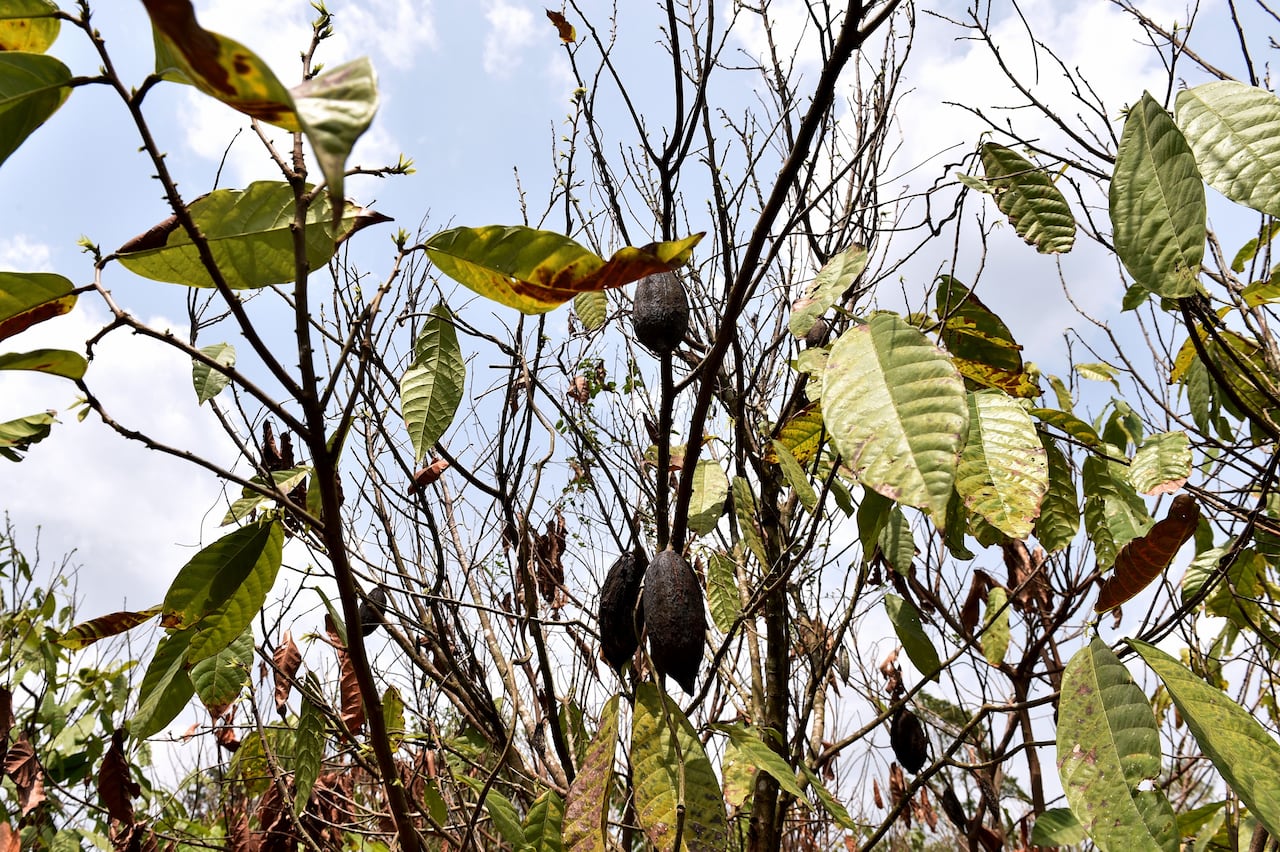
A common issue for cocoa farmers is insufficient rainfall, resulting in dried pods such as these. (Issouf Sonogo/AFP/Getty Images)
Declining prospects
While often overlooked, the impact of extreme rainfall on crops is not a novel risk. The study also highlights non-climatic threats, such as aging trees and illegal gold mining, which the UN Food and Agriculture Organization indicates are part of a range of threats to cocoa farming.
Nevertheless, Sophia Carodenuto, an expert in environmental governance and associate professor at the University of Victoria, values the findings of the study but emphasizes the critical question of what solutions farmers can implement.
“Rain, especially extreme rainfall, cannot be controlled,” Carodenuto stated, recognizing that the authors suggested potential interventions such as fungicides and improved drainage to counter the spread of fungal infections.
For Agyare, the answer requires substantial investments in infrastructure.
“In certain areas we operate, once it rains, the farmers are essentially stranded,” he explained. “These are children unable to attend school. These are families left in limbo.”
Moreover, many farmers lack reservoirs to store rainwater for later use. However, a significant concern, according to Agyare, is a system that places excessive burdens on farmers.
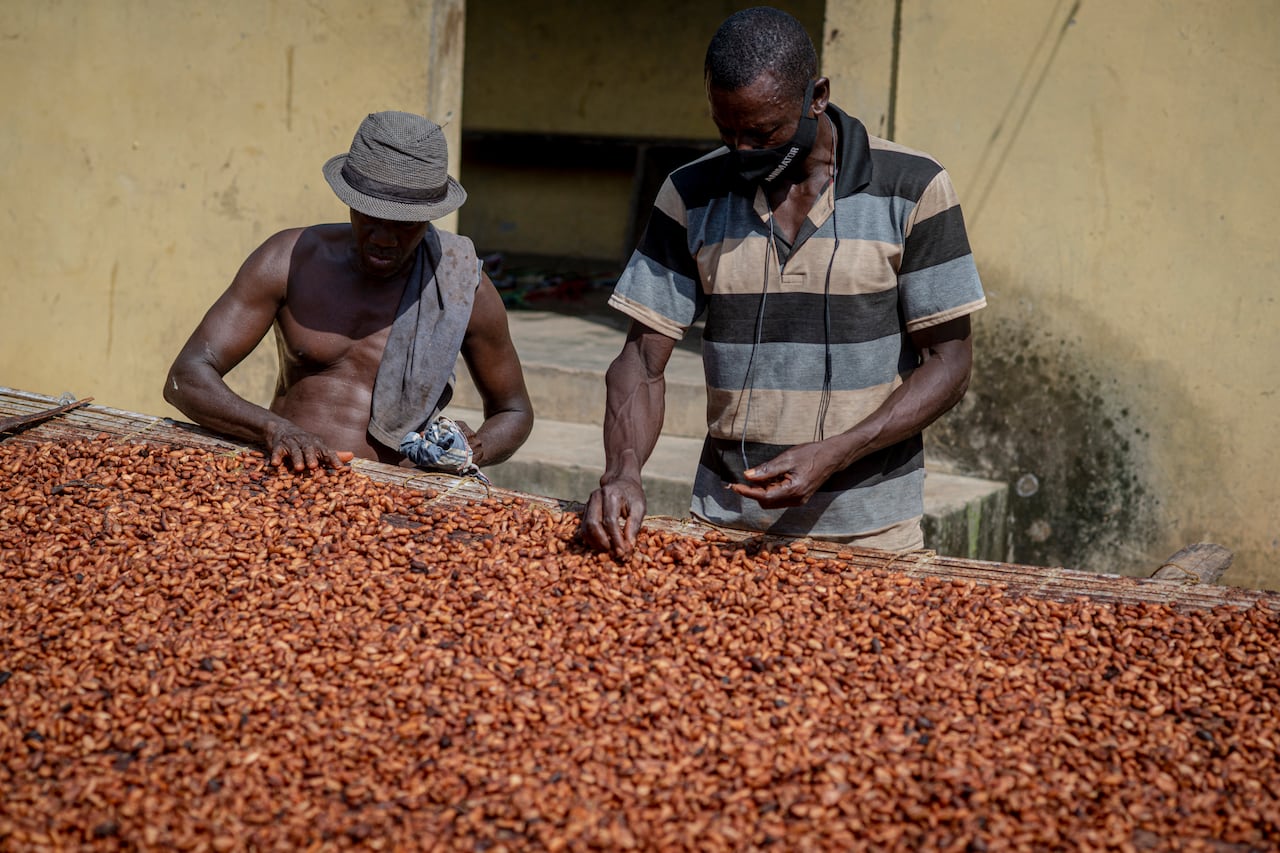
Two cocoa farmers spread cocoa beans during the sun-drying process in Asikasu, a village in Ghana, in December 2020. (Cristina Aldehuela/AFP/Getty Images)
“In Ghana, farmers face two significant challenges. They cultivate the crops, and then they handle all post-harvest tasks themselves,” he stated, proposing that sharing post-harvest responsibilities with other workers would enable farmers to concentrate solely on cultivation.
This would facilitate centralized collection and processing, minimizing losses from farmers drying their beans in the fields and losing them to heavy rains.
A future without cocoa?
Experts indicate that these climatic disruptions are making cocoa farming increasingly unappealing in West Africa.
“I believe that smallholder farmers may soon become a thing of the past,” Agyare remarked, noting that children are disinterested in following in their parents’ footsteps and are seeking urban opportunities instead.
Carodenuto raises concerns about whether adapting to the changing climate will become overwhelming, ultimately driving people away from the profession. This would contribute to price fluctuations, potentially leading chocolate manufacturers to eliminate cocoa from their products altogether.
“There’s been an absolutely wild spike in prices, which I believe has significantly driven innovation towards cocoa-free chocolate,” she informed CBC News from Graz, Austria, adding that alternative chocolates are being marketed as less susceptible, with a more stable supply chain.
Earlier this year, Nestlé, the largest food corporation globally, ventured into this area by collaborating with a German startup focused on cocoa-free chocolate. This company produces ChoViva, an alternative that utilizes sunflower seeds, which Carodenuto notes is appealing due to its supply chain management as it’s cultivated in Europe.
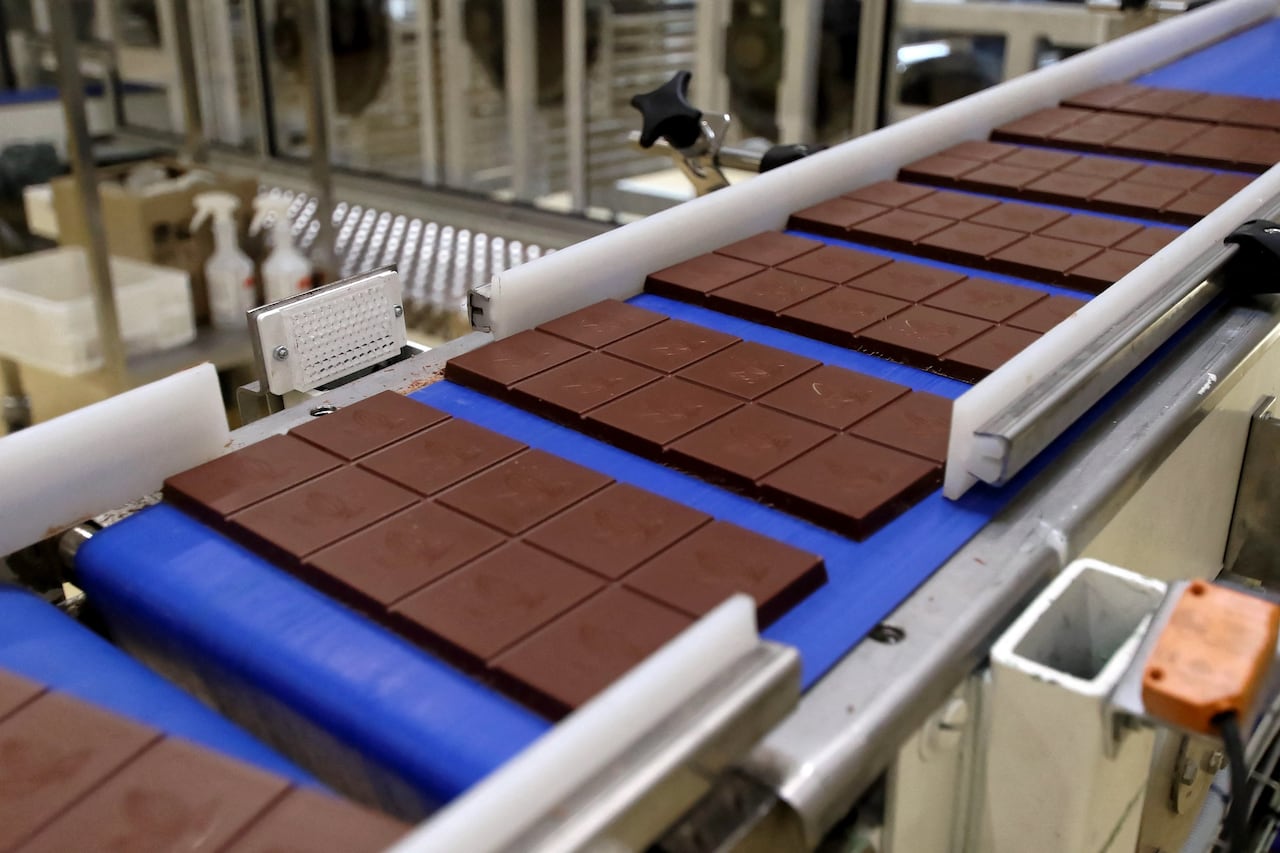
Hardened chocolate before the packaging stage. (Valentine Chapuis/AFP/Getty Images)
Even with a significant increase in prices, she argues, it won’t guarantee an improved future for those who cultivate and harvest cocoa.
“Chocolate, particularly the kind handed out during Halloween, has historically been undervalued,” Carodenuto remarked.
“And who has been bearing that cost? It has consistently been smallholder farmers in West Africa.”