

Chevron announced on Wednesday that it plans to invest over $7 billion through its joint ventures in Venezuela, aiming to increase oil production to approximately 600,000 barrels per day within the next five years in the South American nation.
As part of new agreements, Chevron’s Petroindependencia joint venture will be extended to encompass two neighboring areas in Venezuela’s Carabobo region, which is part of the expansive Orinoco Belt.
“Chevron has a history of more than a century in Venezuela, and our enhanced role showcases our belief in the country’s rich resource potential and its capacity to attract investments within our portfolio for many years to come,” stated Chevron CEO Mike Wirth.
This announcement follows U.S. President Donald Trump’s recent revelation of an unprecedented agreement involving a fifth of Venezuela’s oil reserves, whereby the U.S. government will acquire an equity interest in a private oil company operating in the region. Chevron’s expansion is distinct from this initiative, yet it reinforces Trump’s strategy to boost production in Venezuela.
According to White House spokesperson Anna Kelly, oil from this deal could reach U.S. reserves as early as November, as reported during an appearance on Fox News’s America Reports.
World’s largest reserves
Venezuela possesses the largest oil reserves globally; however, its current output stands at only about 1.25 million barrels per day (bpd), a significant drop from over three million bpd two decades ago due to years of poor management and lack of investment by the state-run oil company PDVSA.
U.S. Energy Secretary Chris Wright stated on Wednesday that Venezuela’s total oil production is projected to reach two million bpd by the end of this decade.
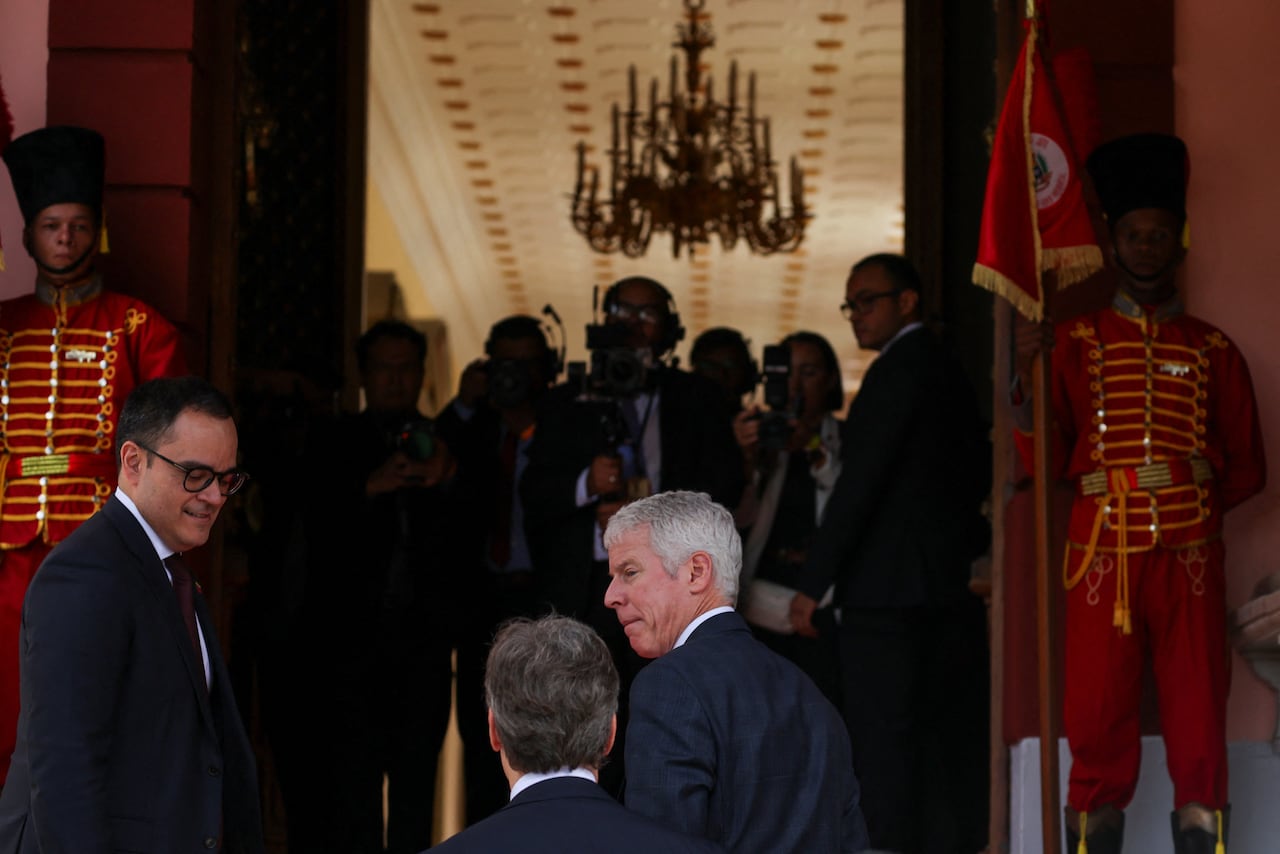
U.S. Energy Secretary Chris Wright arrives at Miraflores Palace to oversee the signing of an agreement between Chevron and government officials to expand the company’s operations, in Caracas, Venezuela, on Sept. 2. (Leonardo Fernandez Viloria/Reuters)
Chevron indicated that its new agreements will also offer improved fiscal, commercial, and legal conditions to safeguard long-term investments, estimating that total production costs will remain below $20 US per barrel.
Wirth mentioned in a CNBC interview that the infrastructure for the joint venture is in solid condition, and development in the newly designated areas will utilize existing facilities and pipeline infrastructure.
On Wednesday, Wirth, along with other Chevron executives, met with interim Venezuelan President Delcy Rodriguez during Wirth’s inaugural visit to the country.
-
Analysis
The U.S. could soon control 20% of Venezuela’s oil reserves. Canada’s oilpatch isn’t worried
-
Smith sees no threat to Alberta from U.S.-Venezuela oil deal, renews pipeline push
“Our capacity to grow at low cost is significantly different than if we were entering a greenfield area without roads, water, or power,” he stated during the CNBC interview.
In addition to Chevron, oil producer ENI, investor KEO Capital, and energy company Primavera, co-founded by billionaire Fred Ehrsam for investments in Venezuela, are among those anticipated to finalize energy agreements in Venezuela as early as Wednesday, according to two sources familiar with the discussions. Most of these agreements involve project expansions that have been under negotiation as part of the transition of numerous energy contracts to new terms following a comprehensive oil reform enacted in January.
Wright, who arrived in Caracas late Tuesday, along with Venezuela’s oil minister, Paula Henao, is expected to oversee the signing of these contracts, as indicated by officials.
U.S. pushes energy investment
After the U.S. removal of former Venezuelan president Nicolás Maduro in January, Trump advocated for a $100-billion US plan to rebuild Venezuela’s energy sector, encouraging U.S. oil companies to invest in the nation.
While Chevron has maintained uninterrupted operations in Venezuela for at least a century, other oil giants like ExxonMobil and ConocoPhillips withdrew from the country in 2007 when their assets were nationalized under former president Hugo Chávez’s administration and have remained absent since.
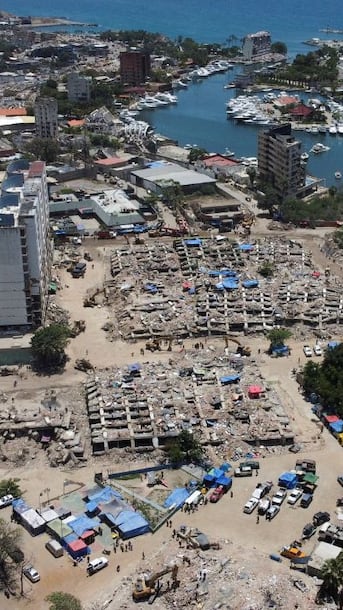
An electricity crisis has plunged Venezuelans into the dark months after the U.S. took over the oil industry and devastating earthquakes hit the country. Here are the facts.
Chevron has been active in Venezuela since 1923 and currently operates three joint ventures in the country. Petroindependencia and Petropiar are located in the Orinoco Belt, while Petroboscan is situated in the western Zulia state.
Even as Chevron strengthens its already established presence in Venezuela, the U.S. investment in North American Blue Energy Partners, which aims to develop 17 oilfields containing around 64 billion barrels of crude reserves, could lead to the emergence of a significant new player, according to Oswaldo Felizzola, coordinator of the energy center at the Superior Administrative Studies Institute in Venezuela.
“We need to recognize that the dynamics are shifting — a substantial U.S. oil company is poised to arise from the NABEP agreement,” he remarked.