

A 64-year-old man from Quebec has made history as the first patient in North America to undergo a liver transplant with a regenerated liver. This groundbreaking technology has the potential to significantly increase the number of available livers for transplant, with estimates suggesting up to 24 additional livers could be made available in the first year alone.
Gérard Landry, a resident of Nouvelle in Quebec, had been battling liver issues for about 15 years, which eventually led to cirrhosis and liver cancer. Prior to his transplant surgery at Montreal’s CHUM, his doctor informed him that his new liver had been regenerated using a novel machine developed over several years.
Named Liver Assist, this innovative technology allows donated livers to be treated and evaluated outside the body before transplantation. For Landry, this meant receiving a liver that may have otherwise been deemed unsuitable for transplant due to certain risks.
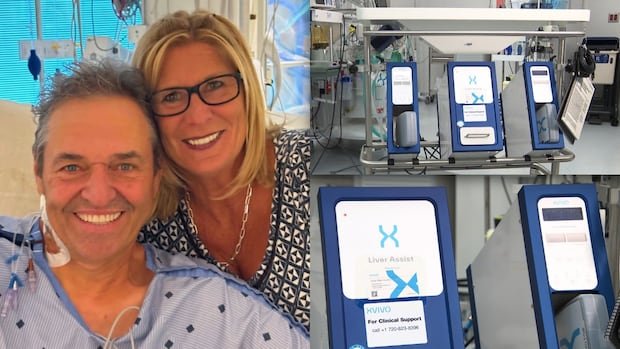
Gérard Landry had been suffering from liver disease and cancer for 15 years. But now, heâs cancer-free thanks to a liver regenerated by a new machine â technology that could lead to more life-saving transplants.
Reviving Donated Livers to Save Lives
Dr. David Hénault, a liver transplant specialist at CHUM, spearheaded the project and conducted Landry’s surgery. The team had been working on this technology for approximately three years.
The Liver Assist system functions by connecting a donated liver to a machine that circulates an oxygen-rich fluid through it, potentially reversing damage caused by oxygen deprivation during organ preservation. This method allows doctors to evaluate the liver’s functionality in conditions mimicking the human body before transplantation.
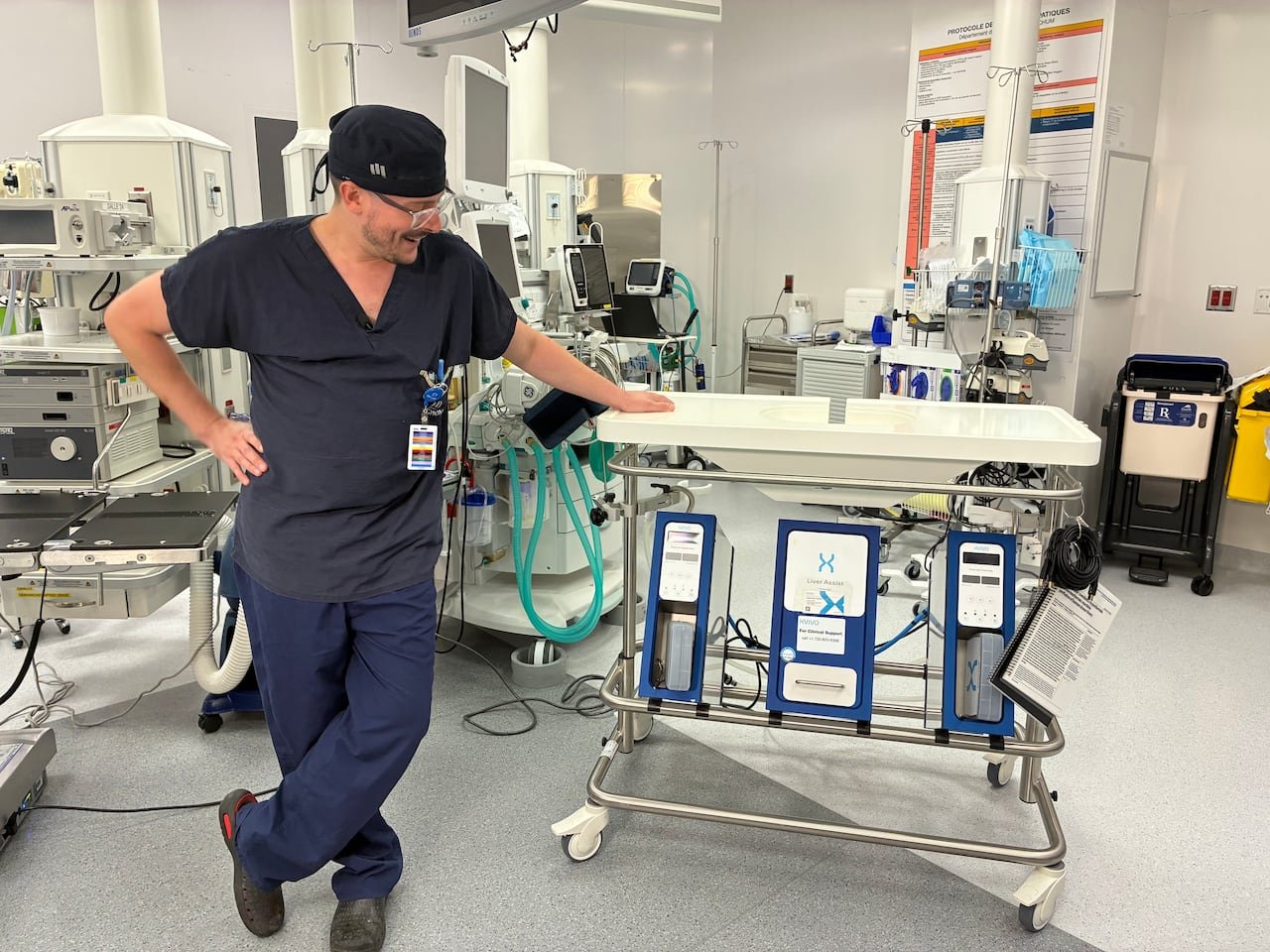
According to Hénault, Landry’s liver was an ideal candidate for this technology due to its vulnerability to oxygen-related damage during the transplant process.
Expanding Liver Availability
CHUM typically conducts around 70 liver transplants annually. Through collaboration with Transplant Québec, the team identified previously rejected livers that could potentially be salvaged using Liver Assist. They anticipate that this technology could increase the pool of transplantable livers by 20 to 24 during its inaugural year, with potential for further growth as its usage expands.
Hénault expressed optimism about the technology’s ability to reduce complications, reoperations, and hospital stays for suitable patients.